
Ford F-150 MPG
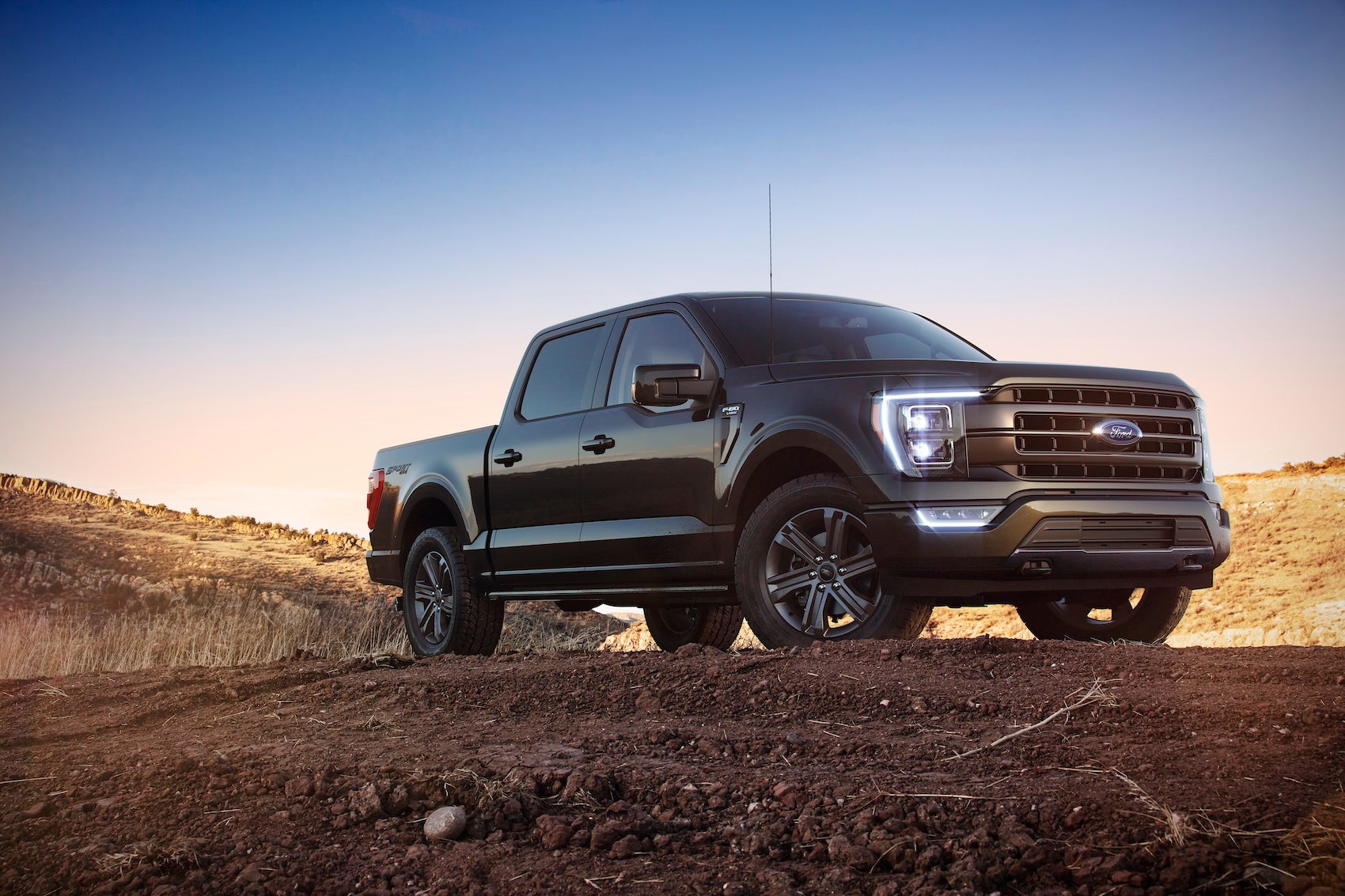
The Ford F-150 has earned its reputation as one of America's most popular trucks by offering a wide range of powertrain options designed to meet different driving needs. From efficient turbocharged EcoBoost® engines to capable V8 power and the all-electric F-150 Lightning, today's F-150 lineup gives drivers more choices than ever when it comes to balancing performance, capability, and fuel economy.
Whether you're commuting to work, towing a trailer, tackling weekend projects, or planning a road trip, understanding the fuel economy of each F-150 powertrain can help you choose the truck that best fits your lifestyle. Depending on the engine you select, the F-150 can prioritize fuel savings, towing confidence, off-road capability, or electrified performance.
Ford F-150 MPG by Engine
Unlike many vehicles where fuel economy varies primarily by trim level, the Ford F-150's MPG ratings are largely determined by the engine under the hood. Ford offers multiple powertrain options, allowing drivers to choose the combination of performance and efficiency that works best for their needs.
Each engine delivers a unique driving experience. EcoBoost® engines are designed to balance power and efficiency, while available V8 configurations focus on traditional truck performance. The PowerBoost® Full Hybrid powertrain offers an innovative blend of capability and fuel-conscious operation, making it one of the most efficient options in the F-150 lineup.
|
Ford F-150 EPA-estimated MPG |
|||
|
Engine |
City MPG |
Highway MPG |
Combined MPG |
|
2.7L V6 |
19 |
25 |
21 |
|
5.0L V8 |
16 |
24 |
19 |
|
3.5L V6 |
17 |
25 |
20 |
|
3.6L Full Hybrid V6 |
22 |
24 |
23 |
|
H.O. 3.5L V6 |
14 |
18 |
16 |
|
H.O. Supercharged 5.2L V8 |
14 |
18 |
16 |
Ford F-150 Lightning: All-Electric Capability
For drivers looking to eliminate gasoline entirely, the Ford F-150 Lightning delivers the capability of an F-Series truck with the benefits of an all-electric powertrain.
|
Ford F-150 Lightning EPA-estimated Range |
|
|
Battery |
Driving Range |
|
123kW battery |
300 miles |
|
131kW battery |
320 miles |
The Lightning combines instant electric torque, impressive acceleration, and available extended-range battery options while maintaining the utility truck owners expect from an F-150. It also offers unique features such as onboard power generation and convenient charging solutions for home, work, and public charging networks.
FAQs
Does towing affect F-150 MPG?
Yes. Towing a trailer typically reduces fuel economy because the engine must work harder to move additional weight. Factors such as trailer size, cargo weight, terrain, weather conditions, and driving speed can all influence how much towing impacts MPG.
Which F-150 engine is best for commuting?
The best F-150 engine for commuting depends on your priorities. Drivers focused on maximizing fuel efficiency often choose the available PowerBoost® Full Hybrid powertrain, while the 2.7L EcoBoost® V6 offers a strong balance of everyday performance, capability, and fuel economy. Both options are well suited for daily driving and longer highway commutes.
How can I improve fuel economy in my Ford F-150?
One of the easiest ways to improve fuel economy in your Ford F-150 is to reduce unnecessary idling. According to the U.S. Department of Energy's Alternative Fuels Data Center, drivers can save fuel by turning off the engine when parked or stopped for more than 10 seconds. A simple example is skipping long drive-through lines if possible, park your F-150, shut off the engine, and walk inside instead.*
Come Test Drive the Ford F-150
From efficient EcoBoost® engines to the innovative PowerBoost® Hybrid and all-electric F-150 Lightning, today's Ford F-150 lineup gives drivers more ways than ever to tailor their truck to their needs. By comparing fuel economy, capability, and driving habits, shoppers in Plainfield, Indianapolis, and Brownsburg, IN can find the F-150 powertrain that best fits their daily routine and long-term goals. Visit us at Andy Mohr Ford today to see the various F-150 configurations we have for sale and contact us to schedule a test drive.
*Source: U.S. Department of Energy